

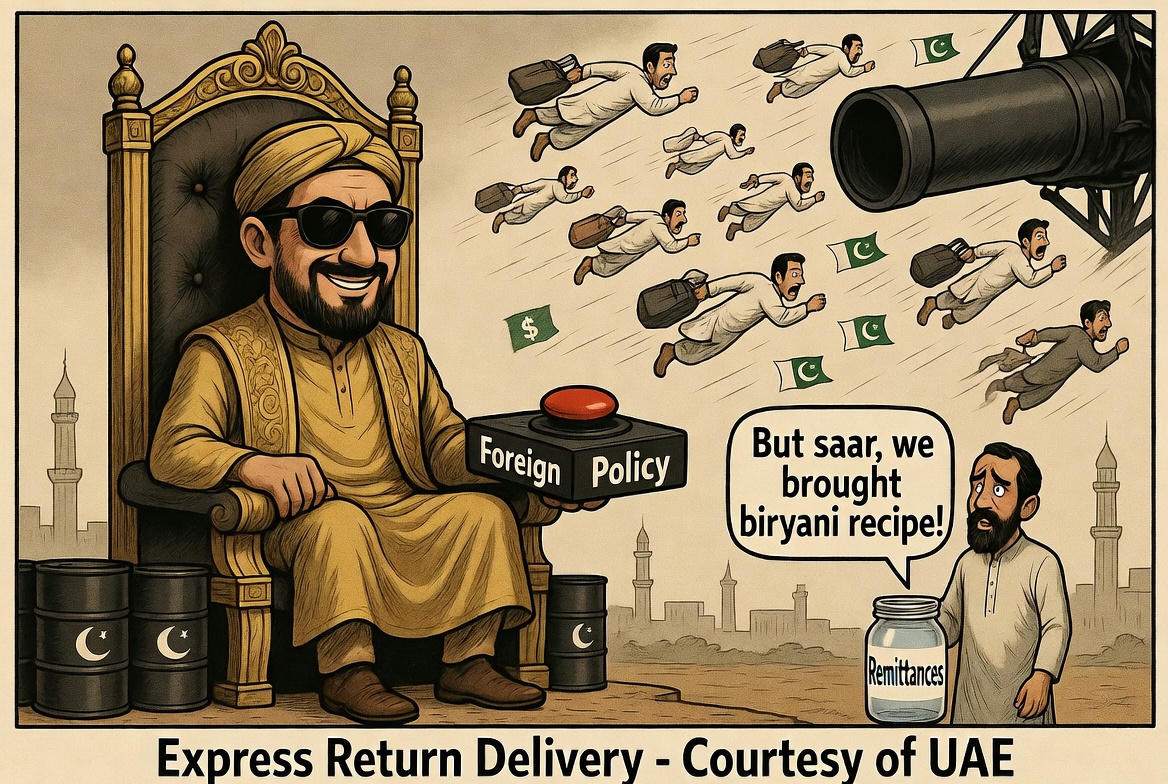
UAE Deports Thousands of Pakistani Shia Workers, since mid-April 2026. This development has intensified strains in bilateral relations already tested by a $3.5 billion loan repayment demand and differing positions on regional conflicts involving Iran.
From Loan Repayment to Mass Deportations
Relations between the UAE and Pakistan, long characterized as close, have deteriorated significantly. In early April 2026, the UAE demanded immediate repayment of a $3.5 billion loan originally extended to help stabilize Pakistan’s economy. This amount represented nearly one-fifth of Pakistan’s foreign reserves at the time.
Pakistan, facing pressure on its reserves, repaid the facility with assistance from Saudi Arabia, which provided a $3 billion support package and extended other facilities. The repayment, while completed, highlighted Pakistan’s economic vulnerabilities and exposed underlying geopolitical frictions.
Also read: The Bhavnagar Murder That Tried to Pass Off as a “Heart Attack”
Scale and Nature of the Deportations
According to multiple reports, including The New York Times, deportations of Pakistani Shia workers began accelerating in mid-April 2026. Shiite religious leaders in Pakistan, notably Mohammad Amin Shaheedi of Ummat-e-Wahida Pakistan, have registered approximately 5,000 affected families. In some Shia-majority villages in Pakistan’s northwest, nearly 900 men have reportedly returned in recent weeks.
Estimates of the total number affected range from several thousand to as high as 15,000, based on accounts compiled by community organizations and reporting from New Lines Magazine. Affected individuals describe sudden arrests, detention, phone confiscations, transfers between facilities, and deportation flights, often without formal charges or the opportunity to withdraw savings from UAE banks.
The New York Times interviewed more than 20 Pakistani Shia workers employed by Emirati companies, all of whom reported abrupt detentions and removals. Business owners in the UAE also confirmed losing Pakistani employees to the expulsions. Reports indicate the measures have primarily targeted Pakistani Shia workers, with Shia nationals from other countries like Iraq or Lebanon reportedly unaffected.
Many workers returned with minimal possessions, having been unable to access life savings or settle financial affairs after years or decades of employment in the Gulf.
Geopolitical Context Fueling the Rift
The deportations occur against a backdrop of regional tensions following conflicts involving Iran. Pakistan has positioned itself as a mediator between the U.S. and Iran while maintaining ties with both Saudi Arabia and other actors. The UAE reportedly expressed dissatisfaction with Pakistan’s response to Iranian strikes on Emirati territory and its broader diplomatic balancing.
Additional friction stems from Pakistan’s strengthening relations with Saudi Arabia at a time of strained UAE-Saudi dynamics. These differences have translated into tangible economic and human consequences for Pakistani migrant workers.Pakistan’s Interior Ministry has pushed back against claims of targeted mass deportations based on sect or nationality, attributing some removals to routine visa violations and overstays. However, community reports and independent journalism continue to highlight patterns suggesting otherwise.
Economic Impact on Pakistan
The situation carries significant economic weight. Nearly 2 million Pakistanis work in the UAE, sending home approximately $8 billion in annual remittances: one of Pakistan’s critical foreign exchange sources. A large-scale reduction in this workforce adds pressure to an economy already managing debt burdens and IMF program requirements.
Beyond immediate family hardships, the returns strain local communities in Pakistan, particularly in areas reliant on Gulf earnings for livelihoods, education, and healthcare.
Human Stories and Broader Implications
Workers and families describe profound disruption. Many had built lives in the UAE, contributing to its development in construction, services, and other sectors. The sudden loss of income and assets has left families facing uncertainty upon return.This episode underscores the precarious position of migrant labor in Gulf economies and the intersection of foreign policy, security concerns, and economic interdependence in South Asia–Gulf relations.As of May 2026, the full scope of ongoing deportations remains under observation by Pakistani authorities, community leaders, and international media. Diplomatic efforts to stabilize ties continue amid the human and financial fallout.
Also read: The New Discovery That Left Scientists Bloodless
Related Topics:
UAE Pakistan relations | Pakistani workers deportation | Shia community Pakistan | Gulf remittances | Pakistan foreign reserves | UAE Iran tensions
This article is based on reporting from The New York Times, Economic Times, New Lines Magazine, and cross-verified sources as of May 9, 2026. Figures and claims reflect community registrations and journalistic investigations; official confirmation of exact targeting criteria varies.




Explore more products and confessions





3 comments